How SEO is Evolving into GEO
8 may 2025

How AI is Evolving SEO is one of the most important questions for any company that relies on digital visibility to attract customers. Artificial intelligence hasn't eliminated SEO, but it is changing the way people search for information, compare solutions, and make decisions before contacting a company.
For years, doing SEO mainly involved ranking pages on Google for specific keywords. That remains important, but it's no longer enough. Today, users search more conversationally, expect faster answers, and increasingly interact with assistants, AI-generated summaries, and enriched results. This forces companies to adapt their strategy: it's not enough to just appear, you have to be clear, useful, trustworthy, and relevant throughout the search process.
At The Funnel Box, we understand this change from a business perspective: SEO should not work in isolation, but rather be connected with strategy, sales, artificial intelligence, and the company's profitability.
AI Hasn't Killed SEO: It Has Made It More Demanding
One of the most common mistakes is thinking that artificial intelligence replaces SEO. In reality, it is making it more complex and more strategic.
Previously, many companies could compete by creating content optimized for specific keywords. Today, that approach falls short if the content doesn't adequately address user intent, isn't connected to the business, or doesn't offer a differentiated perspective.
AI is forcing SEO to evolve in several ways:
• More useful and less generic content
• Greater clarity in the value proposition
• Better information structure
• More direct answers to real questions
• Increased emphasis on authority and trust
• Integration between SEO, conversion, and sales
Therefore, an SEO Positioning strategy should no longer be limited to seeking traffic. The goal should be to attract qualified demand and convert that visibility into real business opportunities.
How AI is Evolving SEO in Practice
The evolution is not just technological. It also changes the way we think about content, service pages, and web architecture.
The Funnel Box
Want to integrate AI into your business?
We help you identify where artificial intelligence can grow your company.
1. Searches Are More Conversational
More and more users are formulating searches as if they were talking to a person. They no longer just search for “SEO agency,” but more complete questions like:
• “how to know if my company needs SEO”
• “what digital strategy works for a B2B company”
• “how to improve customer acquisition with AI”
• “which digital channel is most profitable for my business”
This means that content must better address specific problems, not just repeat keywords. Companies that understand this evolution can create more useful pages, more aligned with search intent, and better prepared to appear in different digital environments.
2. Search Intent Weighs More Than the Keyword
The keyword still matters, but it can no longer be the absolute center of the strategy. The important thing is to understand what the user really wants to solve.
The same search can hide different intentions:
• To get informed
• To compare options
• To understand a problem
• To look for a provider
• To validate a decision
• To seek professional help
Therefore, modern SEO needs a vision closer to Business Consulting: analyzing the model, the market, the ideal customer, and the points that limit growth before producing content.
If a company doesn't know who it wants to attract or what that customer needs to hear, AI won't solve the problem. It will only make it more evident.
3. Generic Content Loses Value
AI has made it easier to produce content on a large scale, but it has also filled the internet with similar, superficial, and undifferentiated texts. In this context, generic content loses strength.
For an SEO strategy to work in this new scenario, the
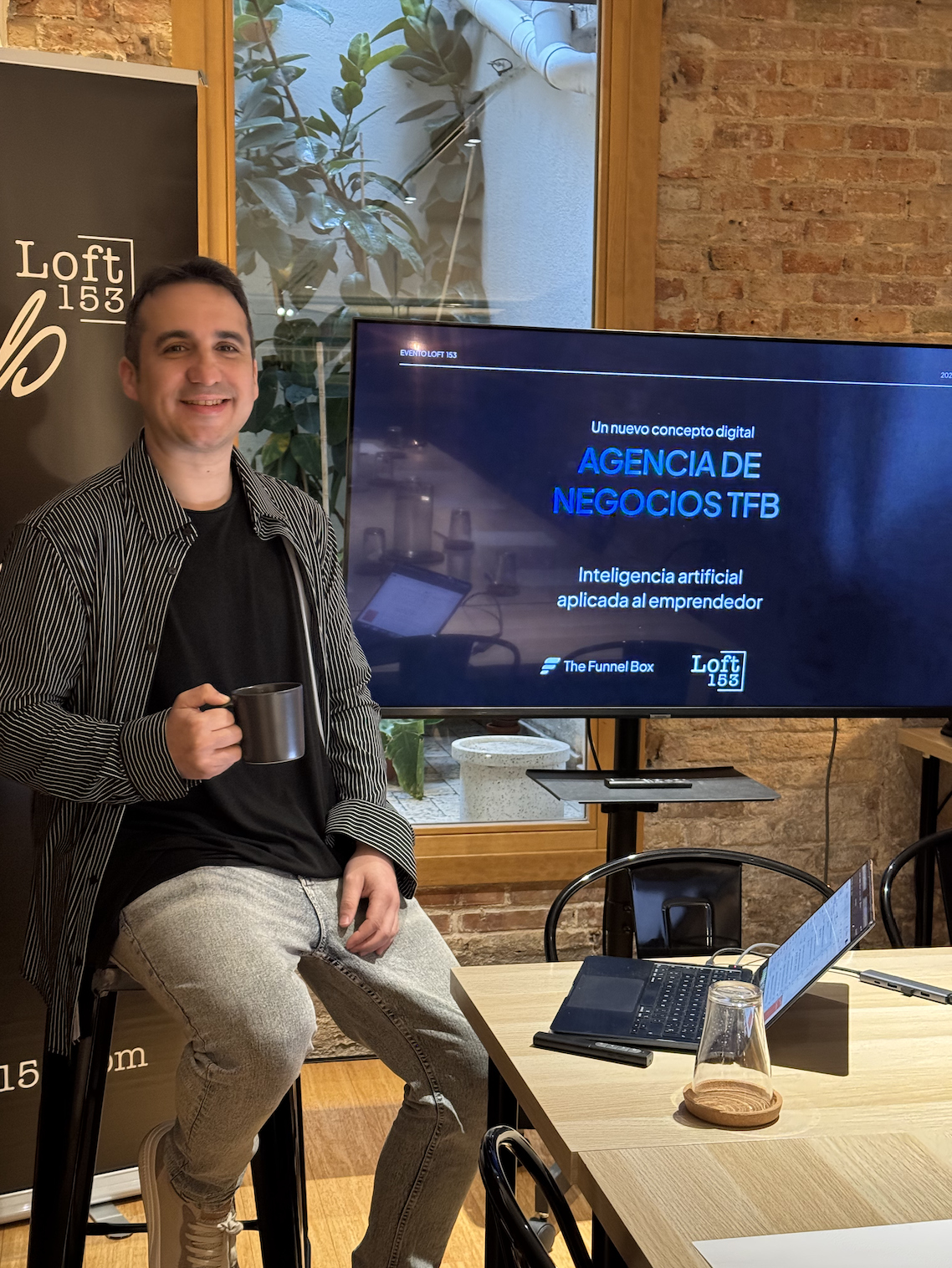
Written by
Gonzalo Castro
Founder of The Funnel Box · OpenAI Select Partner
Business and artificial intelligence consultant. I accompany companies from within to build growth systems that are sustained over time.
