What Is SEO for Startups? A Founder's Guide
19 sept 2025

What is SEO for startups?
Most startups treat SEO the way they treat a pension: something for later, once there is time and money. Meanwhile, the exact searches their future customers type every day get answered by someone else. By the time the startup decides to care, those positions are taken, and catching up costs months of work and a paid ads bill that never stops.
SEO for startups is the work of making your company the answer Google shows when someone searches the problem you solve, before they have ever heard your name. For a startup it is less about ranking for your own brand and more about owning the questions your buyers ask on the way to a decision. Started early, it compounds. Started late, you end up renting the same visibility from ads forever.
Why a startup cannot afford to wait on SEO
The two facts that matter about SEO are that it is slow and that it compounds. Slow means the results arrive in months, not days. Compounds means that once a page ranks, it keeps bringing visitors month after month without paying for each click. Put those together and the conclusion is uncomfortable for a startup that keeps postponing it: every month you wait is a month added to the clock, and a month your competitor spends building a lead you will have to overcome later.
There is a real version of this. A small law firm came to us living entirely on referrals, invisible on Google, convinced that SEO was a big-company luxury. We built the whole thing from scratch: the technical foundation, the pages that answered what their clients actually searched, and the authority to back them. Twelve months later their organic traffic had grown by 800%, and they had gone from waiting for word of mouth to a steady stream of clients who found them on Google. You can see it in our success stories.
What actually works for a startup (and what does not)
The advice most startups get is to "publish content", so they push out fifty thin articles about their own product and wonder why nothing happens. That is not SEO, it is noise.
What works is narrower and harder. First, a technical foundation that lets Google crawl and understand the site, because a beautiful startup homepage that renders as an empty shell ranks for nothing. Second, a small number of deep pages that answer the real questions your buyer searches on the way to purchase, not the ones you wish they searched. Third, getting your commercial pages to rank for the terms that bring buyers, not vanity traffic that never converts.
The order matters. We start by understanding the business: what it sells, to whom, and what those people actually type into Google. Then we build the pages that own those searches. Then we earn the authority that pushes them up. An accounting firm we worked with had zero digital presence when it started. By focusing on the searches that brought real prospects, it went from 0 to 756 leads, from page two to the first position on Google, and from depending on referrals to an acquisition system that runs on its own.
How long does SEO take for a startup?
Honestly, months. In most cases you start seeing movement in three to six months and real compounding between six and twelve. Both examples above played out over roughly a year. That timeline is exactly why waiting is the expensive choice: SEO does not reward the startup with the biggest budget, it rewards the one that started first.
The Funnel Box
Need a growth strategy?
Business consulting focused on real and sustained results.
SEO for startups vs paid ads
This is not really a competition, because the two do different jobs. Paid ads are instant and rented: you turn them on and leads arrive, you turn them off and they stop the same day. SEO is slow and owned: it takes months to build, and then it keeps working without paying for each visitor.
The startups that get this right run both. Ads buy visibility today while the SEO is still warming up, and SEO builds the moat that means, a year from now, you are not paying for every single customer who finds you. Treating them as either-or is how startups end up permanently dependent on ad spend.
Where a startup should actually start
Start with the foundation, so Google can read your site. Then the commercial pages, so the terms that bring buyers point at something built to convert. Then the buyer-question content that captures people earlier in their search. It is not glamorous and it is not fast, but it is the difference between a startup that owns its growth and one that rents it.
If you want someone to build this with you rather than hand you a checklist, that is what our SEO consulting does, and it sits inside the broader business consulting services work of getting a startup to grow on a system instead of on luck.
Frequently asked questions
What is SEO for a startup? It is the work of ranking your company for the searches your future customers make about the problem you solve, so they find you on Google before they know your name. For a startup the goal is owning buyer questions, not just your own brand.
When should a startup start doing SEO? As early as it can afford to. Because SEO takes months to compound, the cost of waiting is not zero, it is the head start you hand your competitors.
How much does SEO for a startup cost? It depends on scope, from a focused foundation to a full build-and-execute engagement. Be wary of a fixed price quoted before anyone has looked at your business and your market.
Is SEO or paid advertising better for a startup? They do different jobs. Ads bring leads today but stop when you stop paying. SEO is slower but compounds and keeps working. Most startups should run both and let SEO reduce their dependence on ads over time.
How long until SEO works for a startup? Usually three to six months for the first movement and six to twelve for real compounding. The exact timeline depends on the competition and how much authority the site already has.
The short version
SEO for a startup is not a marketing task you bolt on once you are big. It is an early decision about whether you will own the searches your customers make or rent them from ads forever. The startups that win at it are rarely the ones with the biggest budget. They are the ones that started first.
Written by
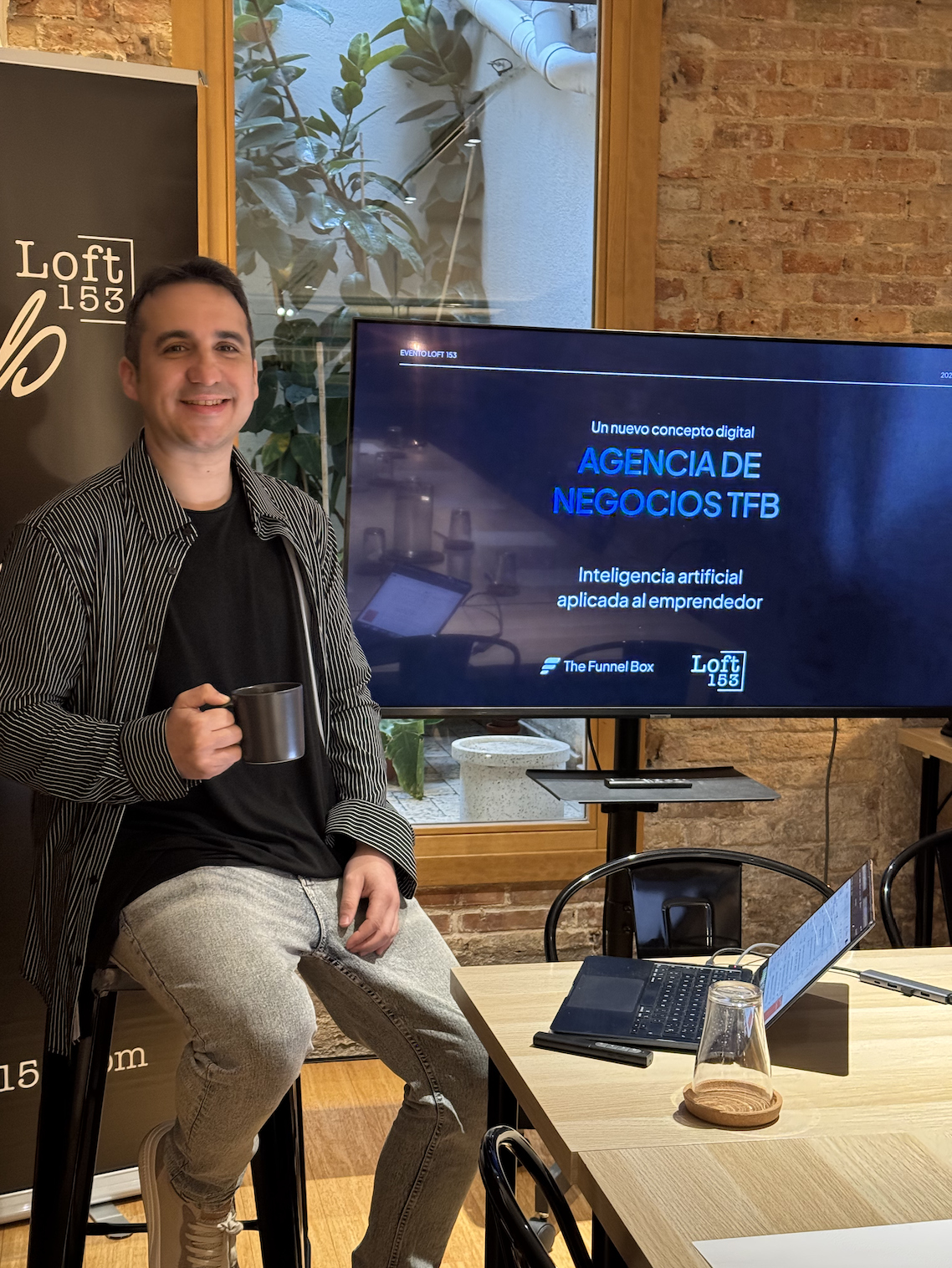
Gonzalo Castro
Founder of The Funnel Box · OpenAI Select Partner
Business and artificial intelligence consultant. I accompany companies from within to build growth systems that are sustained over time.
