Sales funnel: what it is, how it works and how it grows your business
Jun 27, 2026
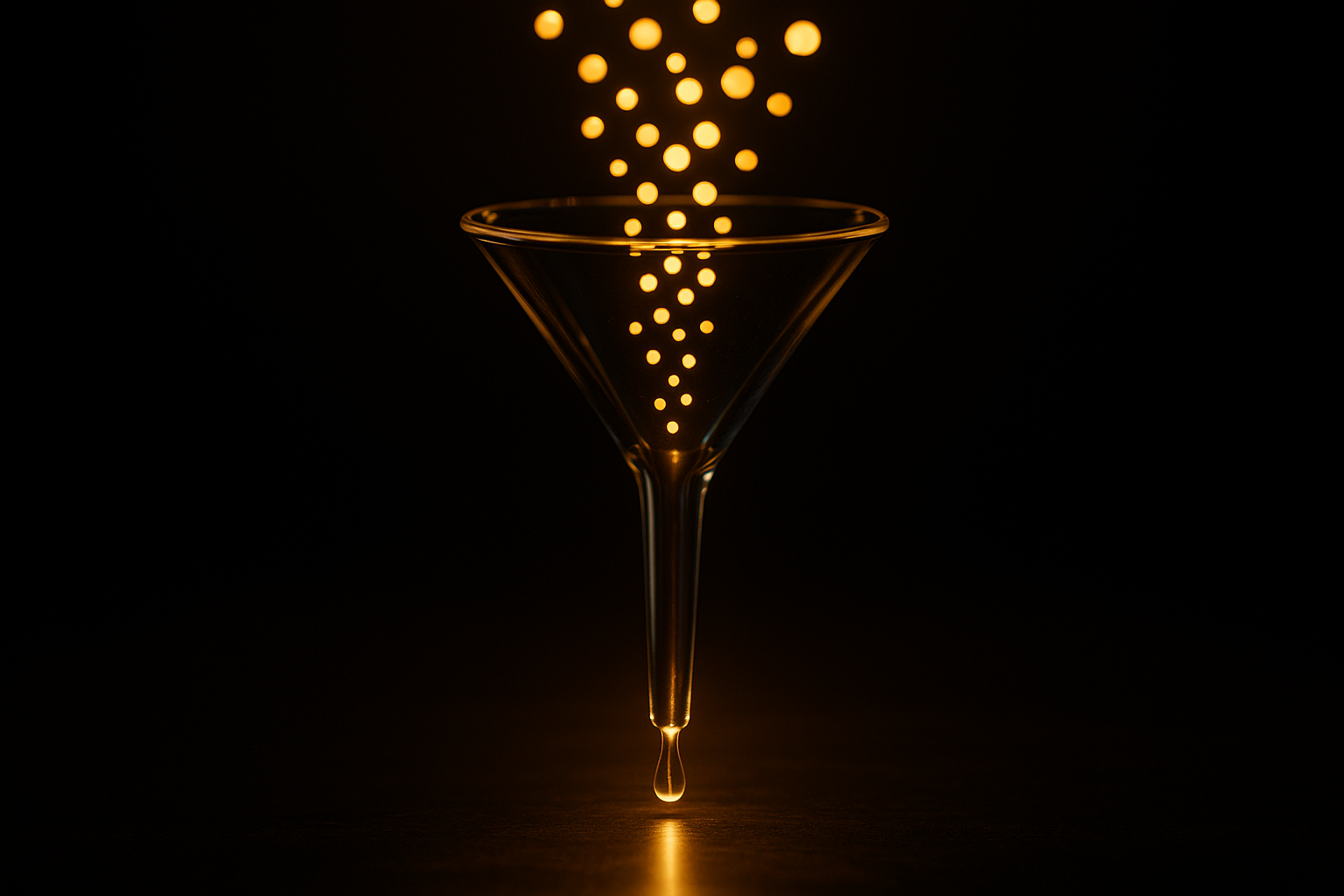
Right now you're being funneled and you don't realize it
The last time you went to the movies, you were funneled. You bought a ticket, but before reaching the theater they offered you popcorn. And a soda. And a combo "that's better value". You sat down, the lights dimmed and, before the film, they played three trailers for upcoming releases that already made you want to come back. You didn't see a single aggressive ad. And yet, you spent more than you planned and you're already planning your next visit.
That's a sales funnel. And it's not just at the movies: you live it every day without noticing. A sales funnel is the series of steps you take a potential customer through to convert them, little by little, from a cold stranger into a customer who buys. In this guide I explain what it is, how it works and, above all, how it's used to actually grow a business —with a real case that grew 1,700%.
What a sales funnel is (no fluff)
I'm Gonzalo Castro, founder of The Funnel Box, and I work with funnels every day. I'll explain it the way I explain it to my clients, without jargon.
Before digital marketing, selling was "cold-door": you went out to the street and offered something to people who didn't know you and weren't expecting you. It worked little and tired a lot. The funnel flips that logic: instead of asking for the sale up front, you first give value and let the person "mature" until buying becomes the natural consequence.
It's called a funnel because of its shape: many enter at the top (people who barely know you) and, stage by stage, only those who will really buy remain. Your job is to design those steps so the path is as natural and profitable as possible.
The movies, again: how they raise your ticket without you noticing

Let's go back to the movies, because it's the best teacher. You paid for a ticket —say 10—. But the film is just the excuse: the business is in what happens around it.
The hook: the film you want to see brings you there. The upsell: the popcorn and the drink, offered at the exact moment, when you're hungry and excited. The combo: "for a little more, you get both", and you raise your ticket without feeling you overspent. The passive sale: the trailers, which don't sell you today but plant the seed of the next purchase.
Four stages, zero pressure. You left happy and spent double. That's a well-built funnel: it doesn't feel like you were sold to, it feels like you chose.
The low-cost airline: the longest funnel you know

Want to see a really long funnel? A low-cost airline. You search for a cheap flight (the perfect hook: you already want to travel). You find a price that works and you click. And that's where the real business begins.
Choose your seat. Want a bag? A second one? Priority boarding? Cancellation insurance? Each step is a new stage, and each one adds to a fare that started out "super cheap". You pay, and you think it's over.
It's not over. They have your email. Next week you get an offer for exactly what you didn't buy, sometimes cheaper, to convince you. And then, the car rental at your destination. The funnel keeps working even when you've already forgotten. That's the difference between selling once and building a system that sells on its own.
How a funnel is built, step by step (the English teacher case)

Theory lands better with a simple example. Imagine you're an English teacher and you want online students.
The bad option (cold-door): drop your website link in Facebook groups. It reaches lots of people who don't know you and aren't looking for you. Someone bites, but it's inefficient and draining. The funnel option: instead of selling classes, you offer a free 30-minute class. That's the hook.
Look at the steps. One: the person sees your free offer (in a group, or on Google/Meta Ads if you want to accelerate). Two: they go to your site and book the 30 minutes; no prices shown, which already creates the need to ask you. Three: they take the class, and here you show your method, your knowledge, how you connect —the trust the physical location used to give—. Four: at the end you tell them your plans to continue; the sale comes after the value, not before. Five: they become a student.
Same teacher, same service. The difference between selling little and selling well wasn't the price: it was the system.
The stages of every funnel (cold, warm, hot)

Every funnel, whether at the movies or in software, has three big moments. Top (cold): people who just discovered you; here you don't sell, you attract and give value (content, a trial, the hook). Middle (warm): they know you and are considering you; here you nurture and show why you're the best option. Bottom (hot): they're ready to buy; here you make the decision easy and close.
| Stage | Who arrives | Your goal | At the movies |
|---|---|---|---|
| Top (cold) | Just discovered you | Attract and give value | The film that brings you |
| Middle (warm) | Already considering you | Nurture and build trust | The popcorn and the combo |
| Bottom (hot) | Ready to buy | Make the decision easy and close | The trailer that makes you return |
The most common mistake is trying to sell at the top, to cold people —it's like proposing marriage on the first date—. The funnel exists precisely so each person gets the right message at the right moment.
Each stage has its own strategy: we look at it in detail in TOFU, MOFU and BOFU and, for the top, in the Top of the Funnel.
The Funnel Box
Need a growth strategy?
Business consulting focused on real and sustained results.
Advertising fills the mouth of the funnel

A funnel needs people entering at the top. You can wait for them to arrive on their own (SEO, referral, social) or you can accelerate with advertising: Google Ads and Meta Ads. Ads are the tap that regulates how many people enter the system. Done well, they fill the top with people who fit what you sell, and the funnel handles the rest.
But here's the question almost nobody asks: if I put money into ads to fill the funnel, how do I know what's working and what I'm wasting?
The CRM: what measures every stage (and changes the game)

A funnel without measurement is driving at night with no headlights. You might be making progress or heading straight for a tree; you don't know. That's why, as soon as a funnel starts moving money, it needs a CRM that measures it end to end.
A good CRM tells you things that change decisions: which campaign each customer came from, which keyword converted best, which channel brings your most profitable customers, and through which medium they close more —whether WhatsApp, call or form—. It stops being "I think the ads work" and becomes "this campaign, with this keyword, brings me customers who close on WhatsApp; I'll put the money here".
That's the difference between a funnel that guesses and one that improves on its own, week after week. At The Funnel Box we connect advertising, the funnel and the CRM into a single system, so every dollar invested can be traced from the ad to the sale. What isn't measured can't be grown.
A real case: how a funnel grew B&W 1,700%

So far, theory. Now a real client. B&W Foto Video is an audiovisual production company in Barcelona, specialized in digitizing memories: VHS tapes, Super 8, mini DV, audio. They're great —people from film and TV—, but when they contacted us they had a huge problem: they worked from a shop in the Gracia neighborhood, with no website, no social media, no online presence. Their customers came from the shop window or referrals. They had an excellent service and an almost-closed funnel mouth.
They wanted something big: to go digital and expand across the country. So we built the funnel, stage by stage. One, analysis: we studied the market and the competition, and there was a huge audience with boxes of tapes gathering dust at home. Two, pilot test: a capture landing page with an initial investment, and the first important customers arrived —proof the funnel worked—. Three, scale: with that signal we went all in, rebranding, web design, SEO and ad campaigns to fill the mouth of the funnel. Four, CRM and processes: with growth came healthy chaos, so we implemented a CRM, organized the work processes and even helped with hiring —more capacity, more productivity, more profitability—. Five, reputation funnel: we automated review requests, which built them a solid Google profile that today generates authority and brings customers on its own.
The result? A neighborhood business turned into a company serving the whole country, with its sales growing 1,700%. It wasn't magic or a single trick: it was a complete, measured funnel sustained over time.
That's why we're called The Funnel Box
We didn't choose the name by chance. We believe growing a company is building and caring for its funnel: attracting the right person, walking them through stage by stage, measuring every step and improving. From the advertising that fills the mouth to the CRM that measures the close, it's all the same system.
That's what we do: we don't sell "a campaign" or "a loose website", we build the funnel that grows your business, complete and measurable. If you want to see what yours is missing —or build it from scratch—, in a consulting session with us we look at it together.
Frequently asked questions
Do sales funnels really work? Yes, and not by luck: instead of selling to cold people all at once, you guide them until buying makes sense. As one entrepreneur put it, a funnel isn’t about tricking anyone, it’s about guiding the person step by step.
Isn’t a funnel just manipulating people? No. A good funnel gives value before asking for anything: the cinema gives you the film, you choose the popcorn. If it feels like manipulation, it’s done wrong.
Does a funnel work if I sell little or I’m not a big company? Yes, even more so. Many people think funnels are only for big businesses, but they work just as well or better for a small product: the freebie brings people in, the paid product converts them.
Are a sales funnel and a funnel the same thing? Yes. "Funnel" is the English term; "embudo" is its Spanish translation. They’re used interchangeably.
How many stages should a funnel have? As many as the business needs. It can be 3 steps or 10 (like the airline). What matters is that each stage takes the person a little closer to the purchase.
What tools do I need? Clickfunnels, a CRM, GHL? Fewer than you think. More than piling up many separate tools, what matters is a system that connects advertising, the funnel and a CRM that measures. The tool is secondary; measurement is what changes the game.
What metrics should I track? The ones that tell you where people drop off: cost per lead, conversion at each stage, and which campaign and channel the people who close come from. That’s exactly what a CRM shows you.
Where do I start? By understanding your own customer journey: how they find you today and where they drop off. From there you design the funnel, and connect advertising and a CRM to measure it.
Written by
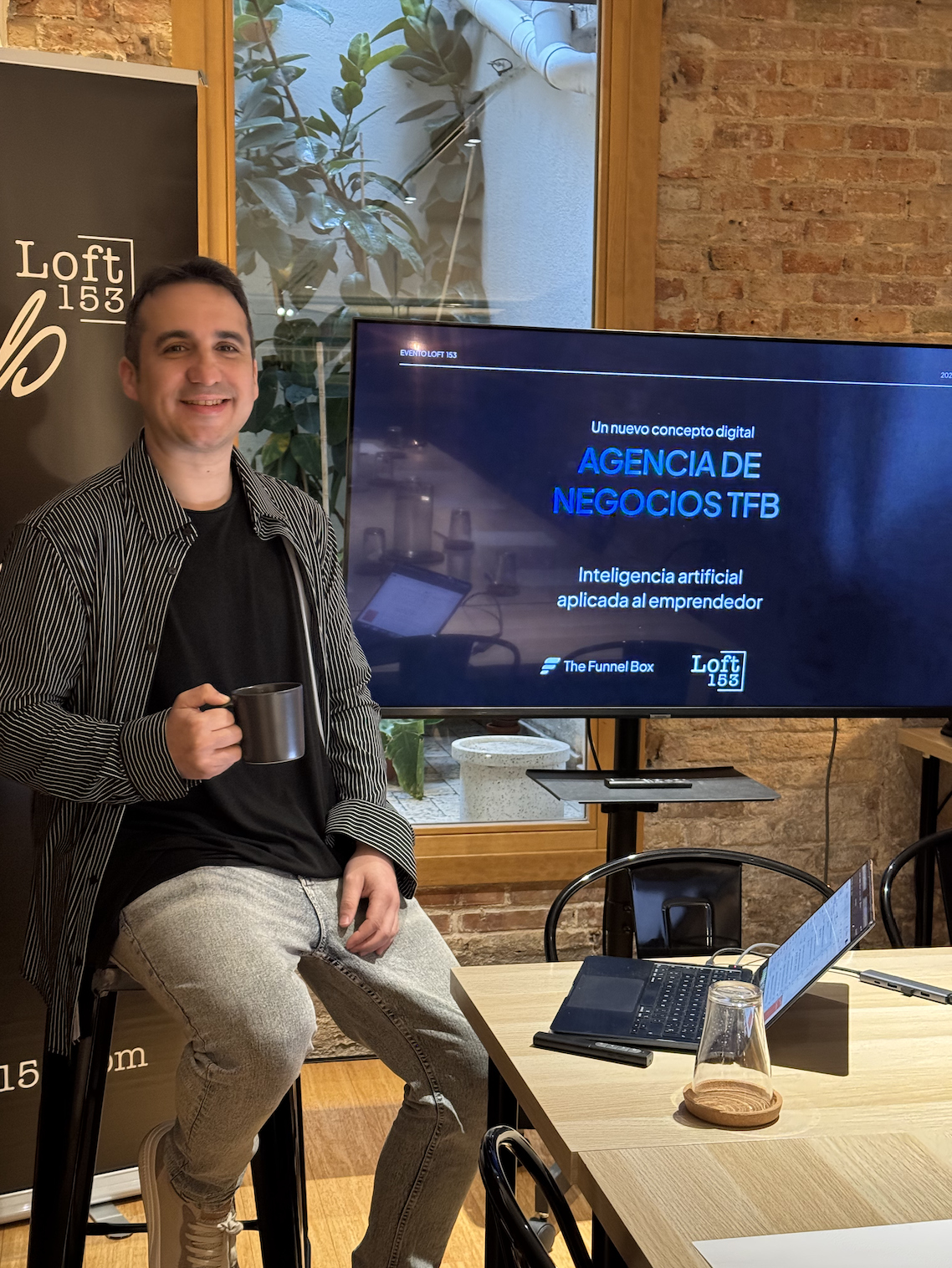
Gonzalo Castro
Founder of The Funnel Box · OpenAI Select Partner
Business and artificial intelligence consultant. I accompany companies from within to build growth systems that are sustained over time.
